Craft & options
What we can actually make — printing, edges, labels, packaging
A quotation tells you a price. It does not tell you whether the supplier can execute your artwork, finish the edge you want, or put the product in a box that survives a retail shelf. This page is the answer to those three questions, in photographs taken on our own floor.
Every image below is our own production. No stock photography, no renders.
Printing & embellishment
How the artwork gets onto the fabric
Print route decides three things: your minimum per design, how the surface feels, and whether the colour survives washing. These are the routes we run.
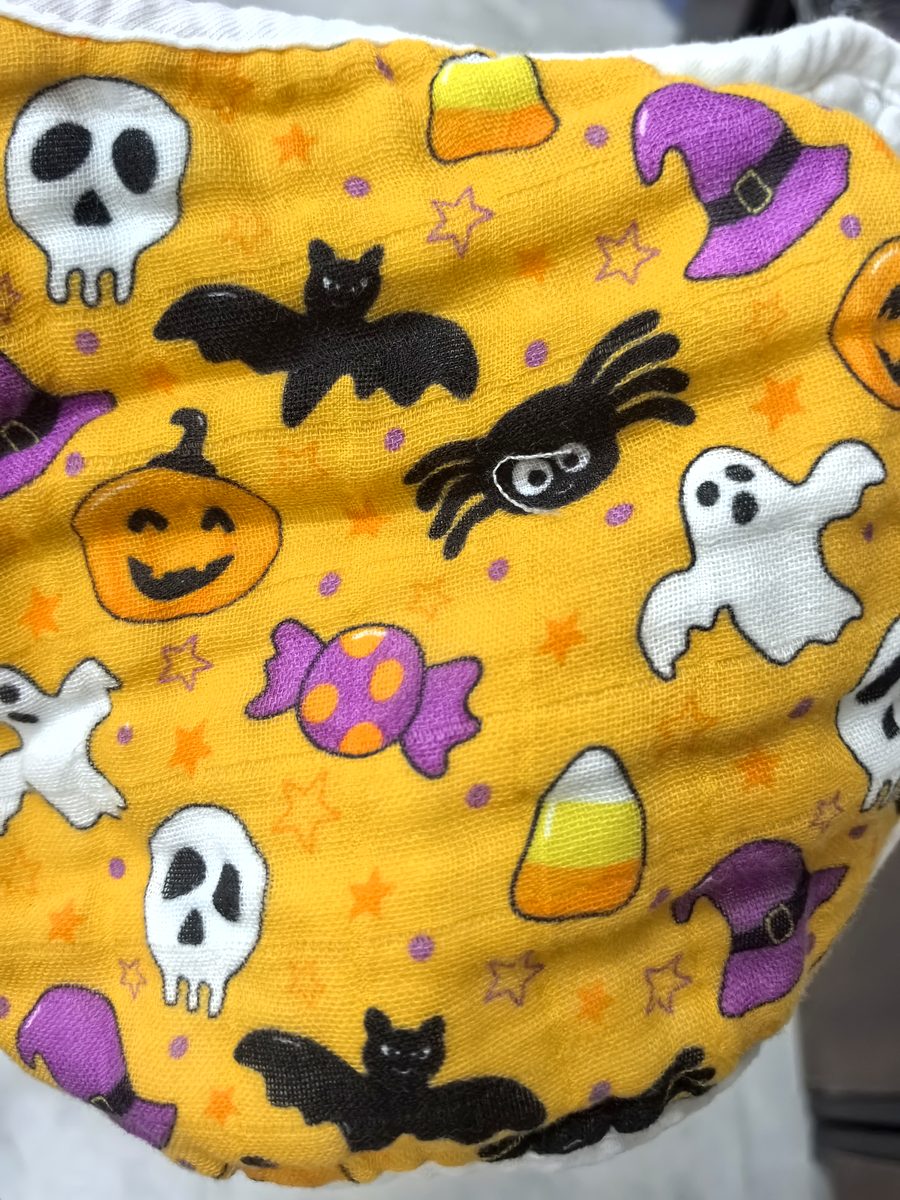
Digital print
Printed straight from file — no screens, no colour minimum. The right route for seasonal or licensed art where you need 500–1,000 pcs per design rather than 3,000. Seasonal drops are the classic case: a Halloween print does not need a screen set-up it will never reuse.
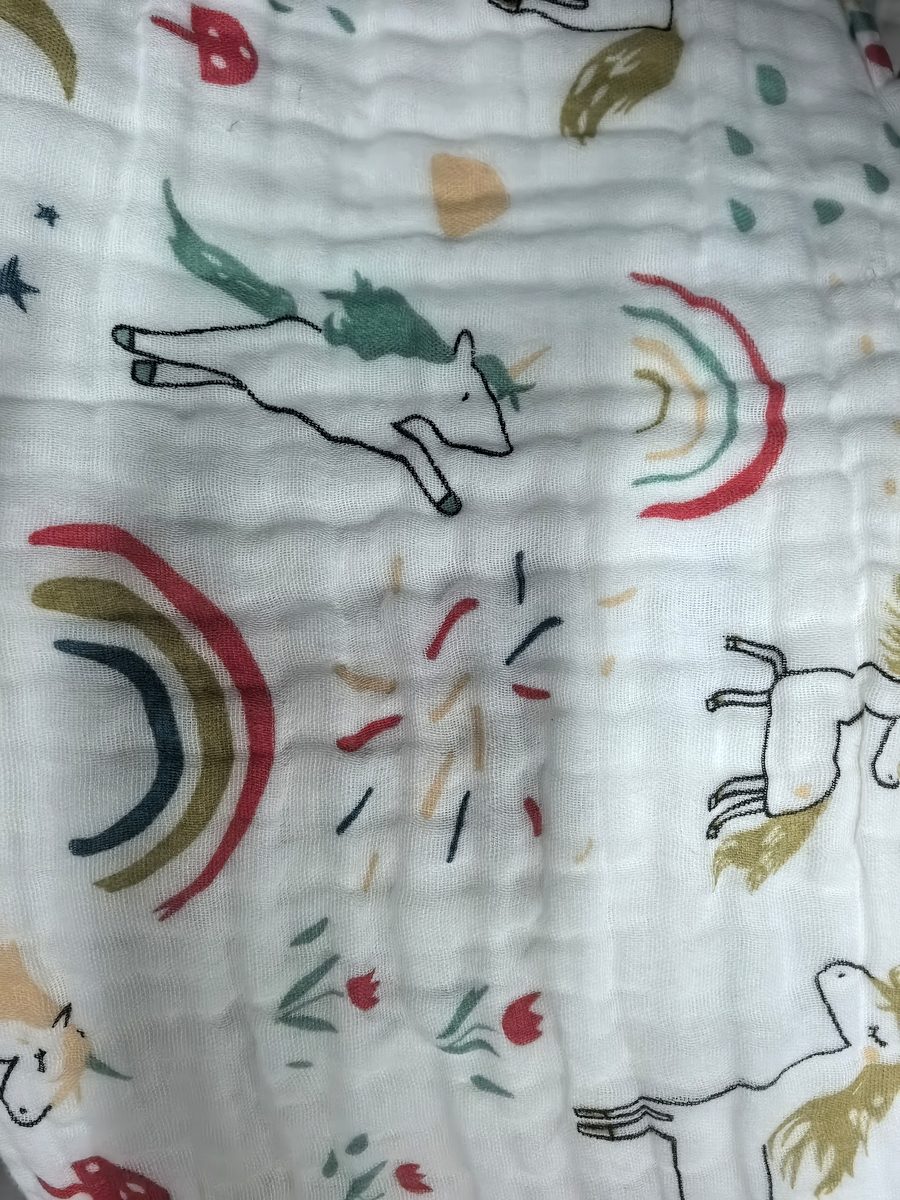
Water-based pigment print
Pigment sits on the fibre instead of dyeing it, so colours stay soft and slightly muted and the hand stays gauze-like. No plastisol film, and no extra chemistry needed to pass CPSIA.
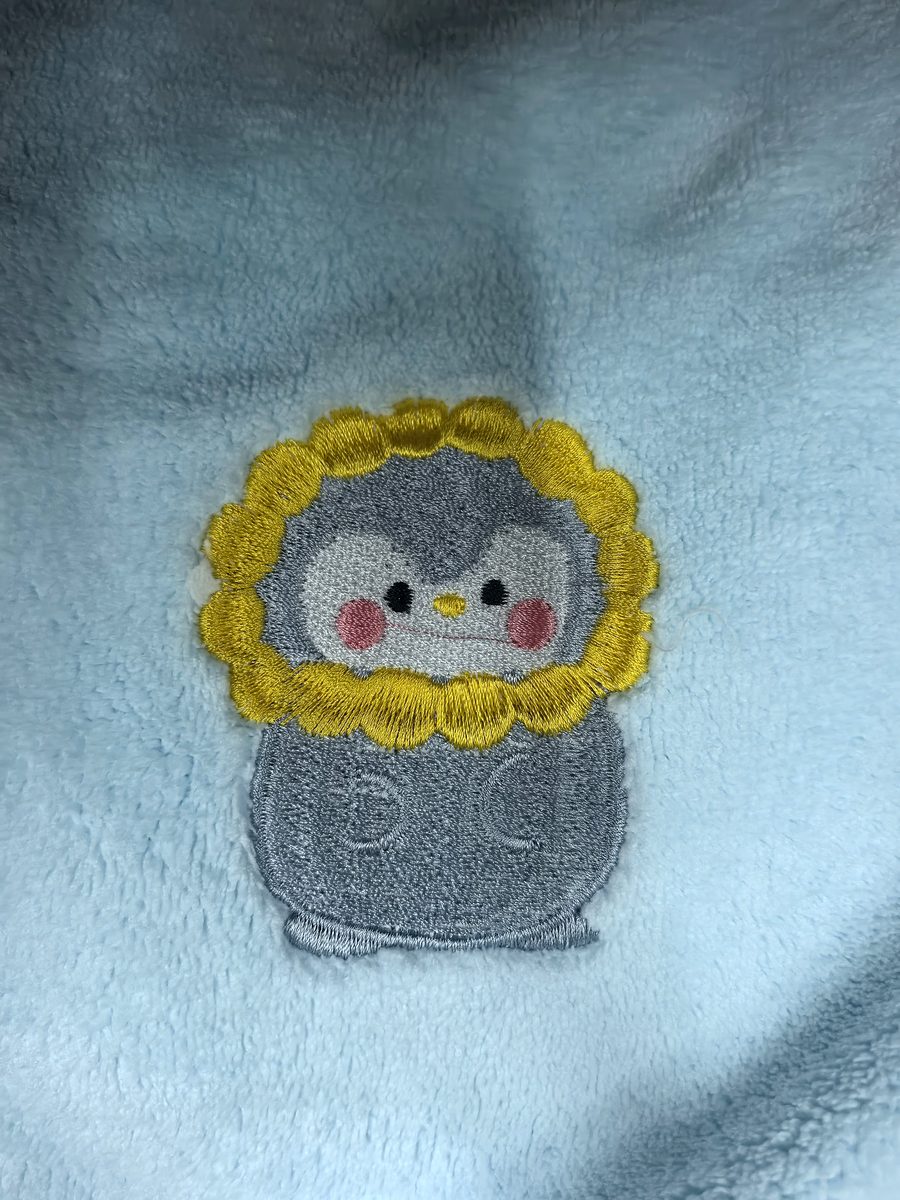
Embroidered patch
A separate embroidered badge applied after construction. It lifts perceived value on gift SKUs — price it as its own operation, because that is what it is.
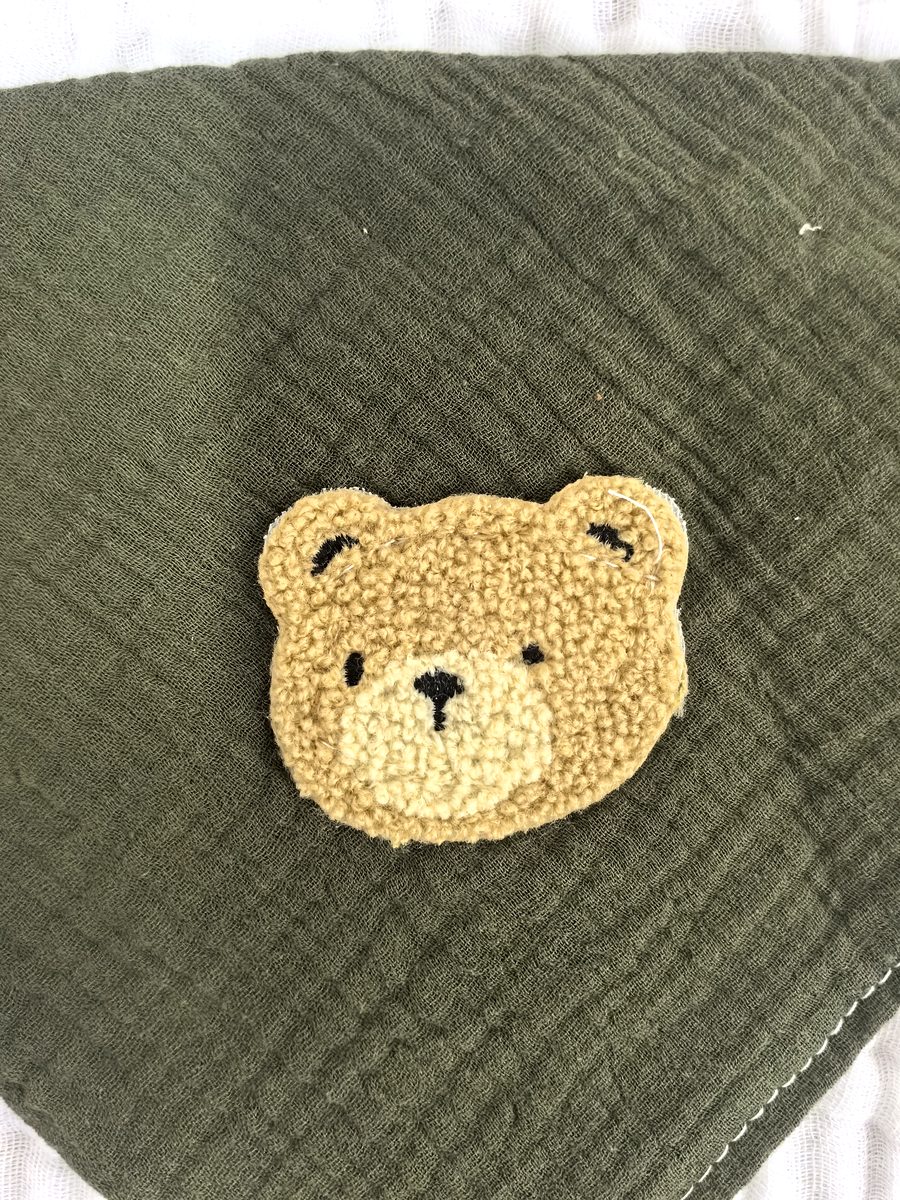
Applique with embroidery
Fabric cut and stitched down, then outlined in thread. Costs more than print per unit, but on a shelf it reads as a different class of product.
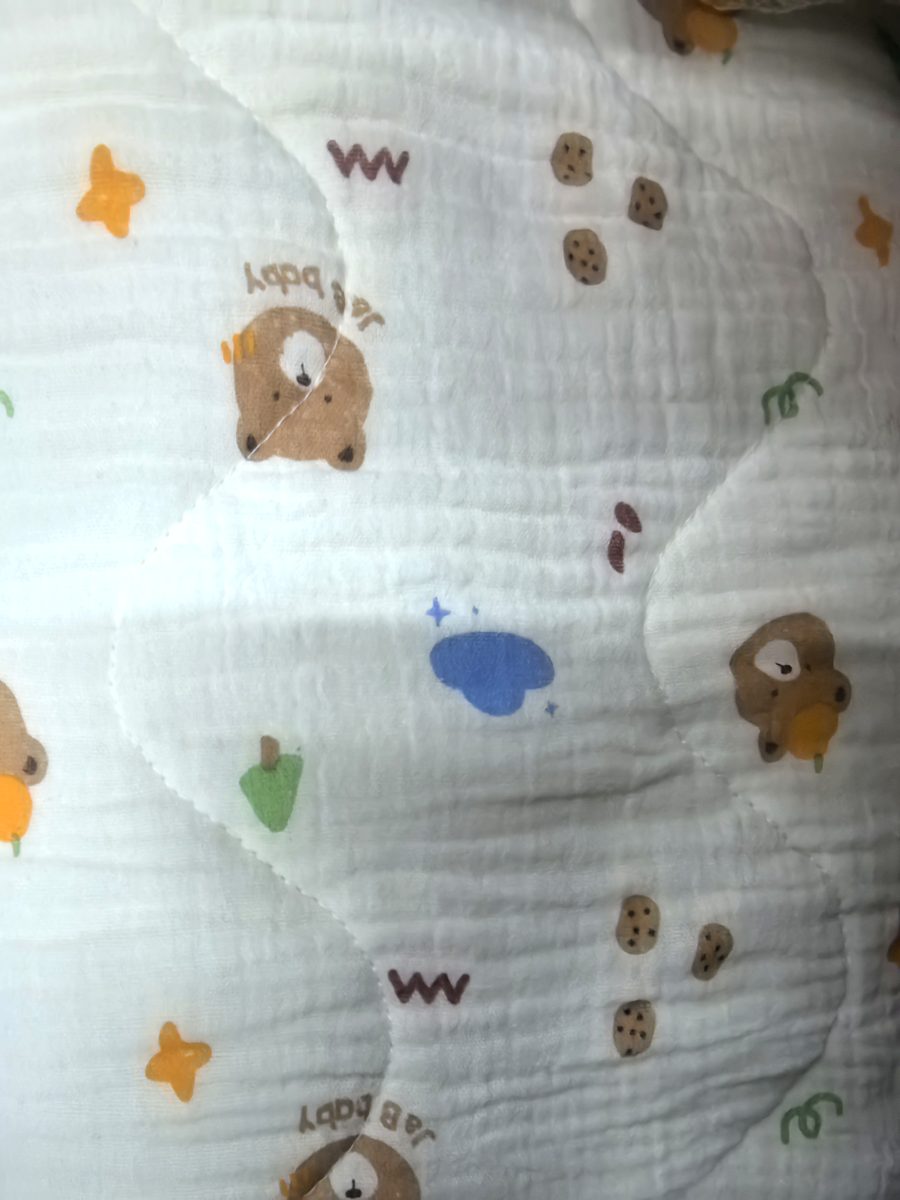
Quilting
Muslin quilted over wadding. You specify wadding weight, stitch pattern and quilt spacing — going under roughly 10 cm between stitch lines changes the drape noticeably, and buyers notice it in the hand.
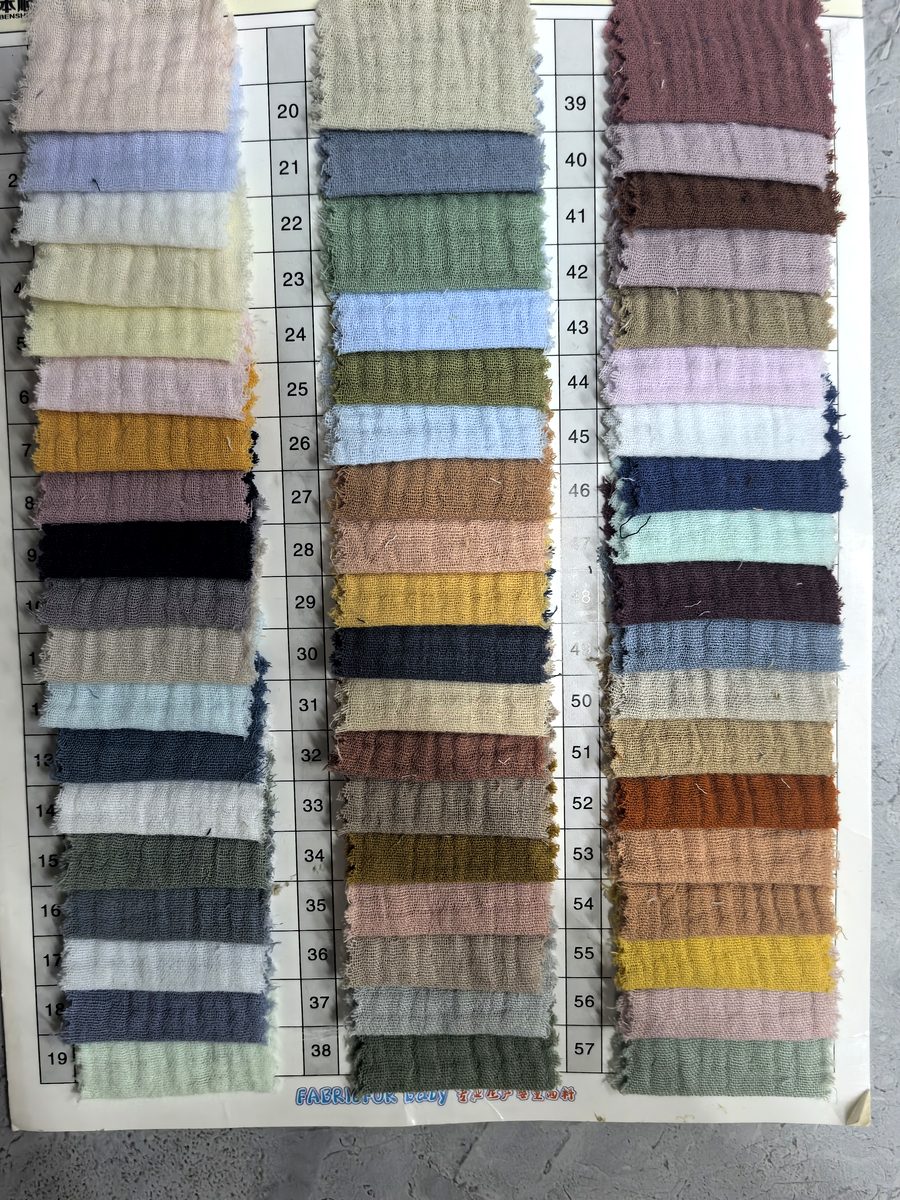
Crinkle gauze
The crepe texture that survives washing and gets softer each cycle. Stocked by colour card, so you can pick from the palette instead of developing a colour.
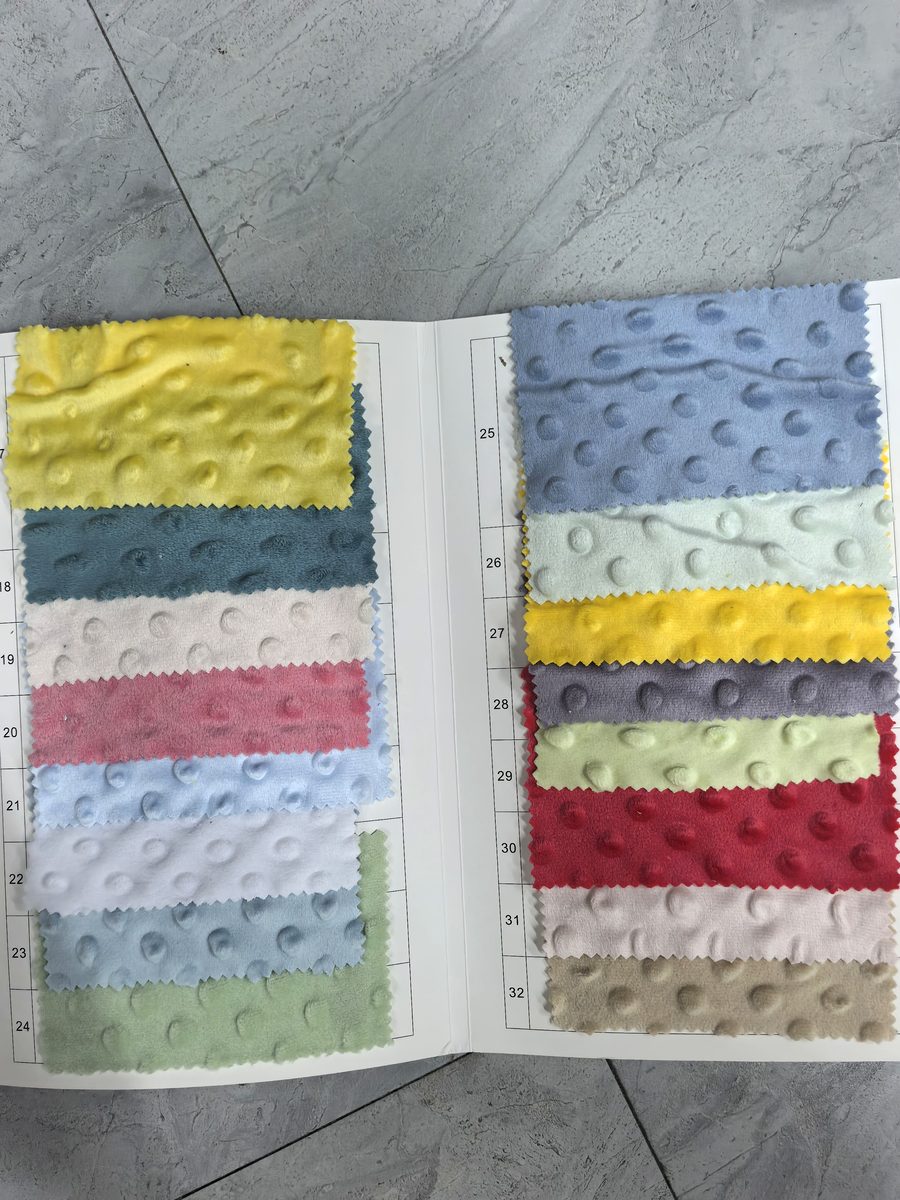
Dot minky
For the reverse side of comfort blankets, play mats and bib backs. Specify pile height if hand feel matters — it is the one spec buyers forget to write down and then argue about.
Edge finishes
Nine edge finishes, not two
Most muslin suppliers offer a rolled hem and an overlock and call that a choice. The edge is one of the first things a buyer touches, and one of the cheapest places to differentiate a product. All nine below run in-house.
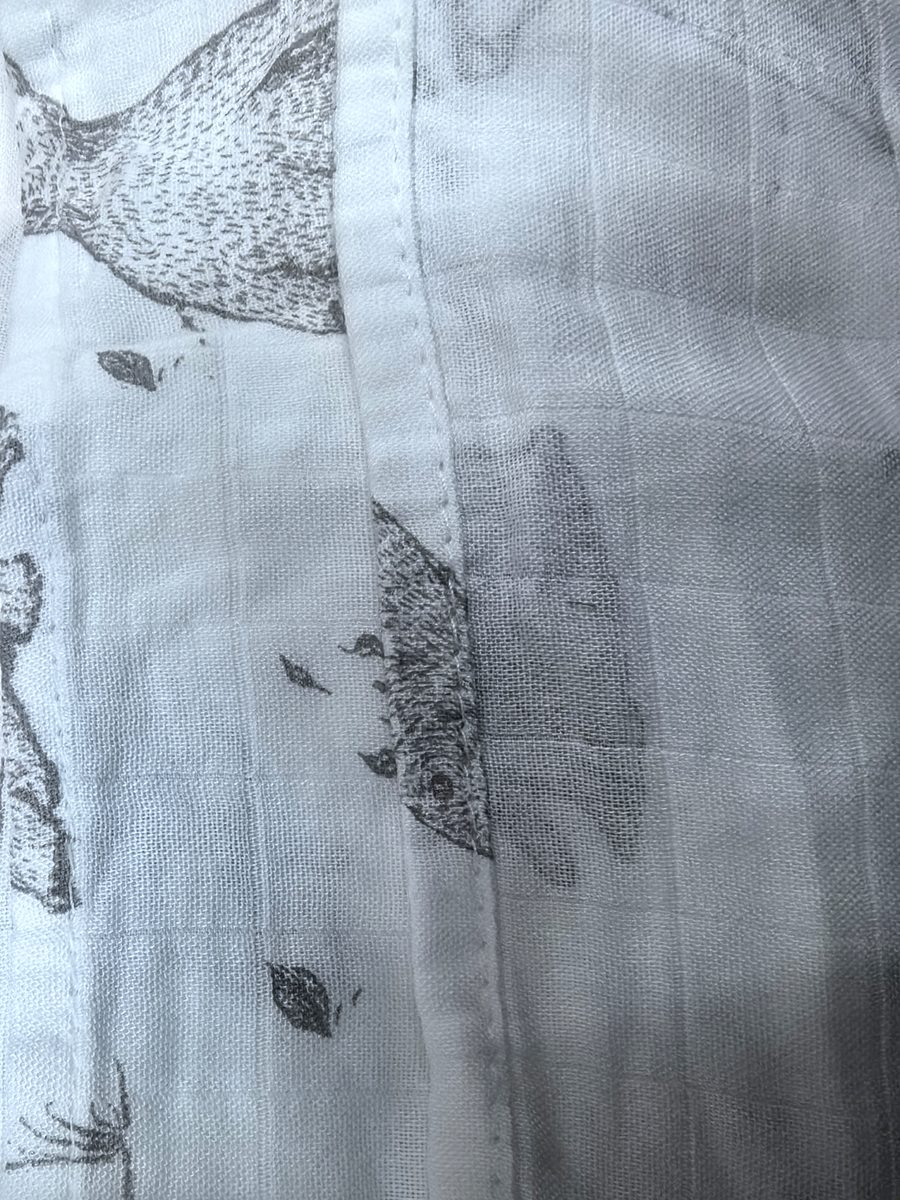
Rolled hem
Narrow double-fold. The standard on swaddles: cheapest clean finish, and it holds up to repeated washing without curling.
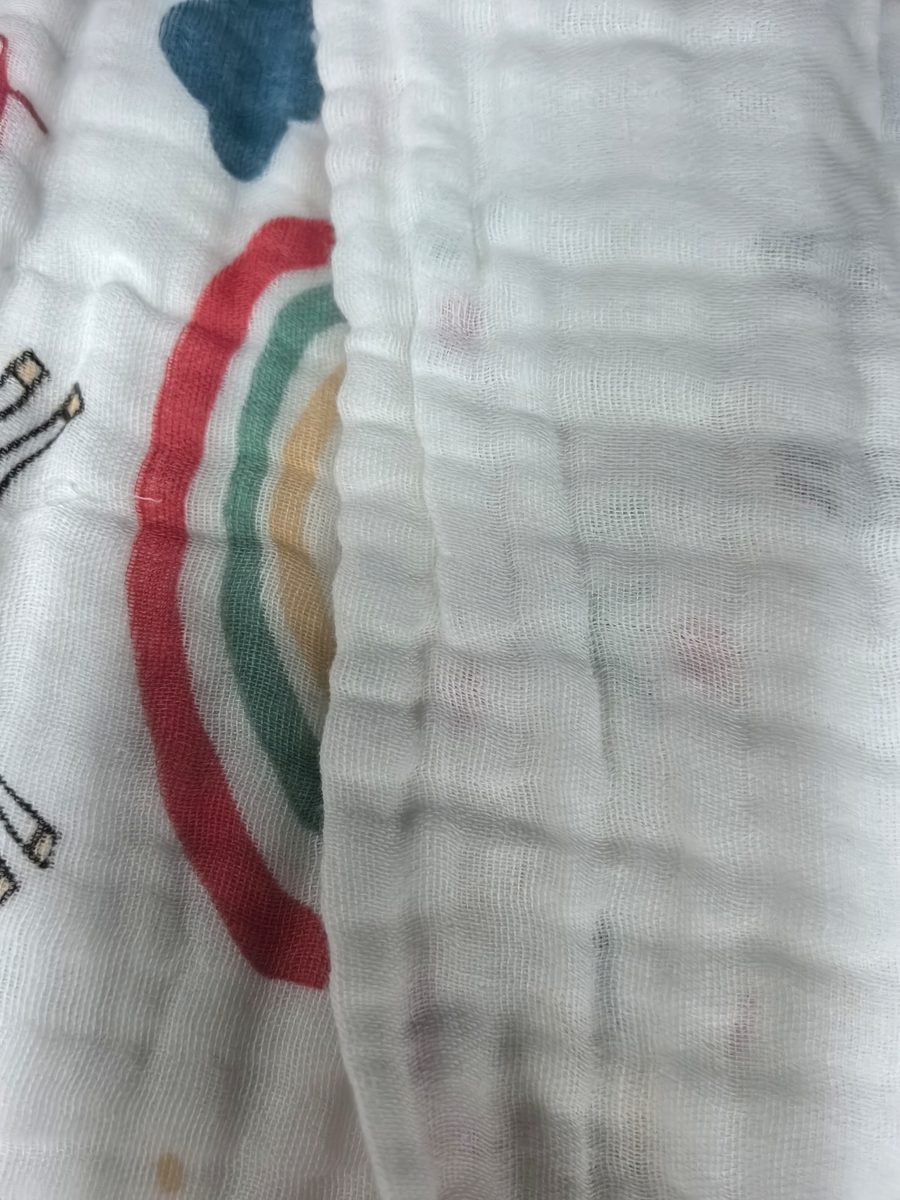
Flat hem, clean finish
Single fold with the stitching turned inside. Reads as a more tailored edge than overlock on a face-up hem.
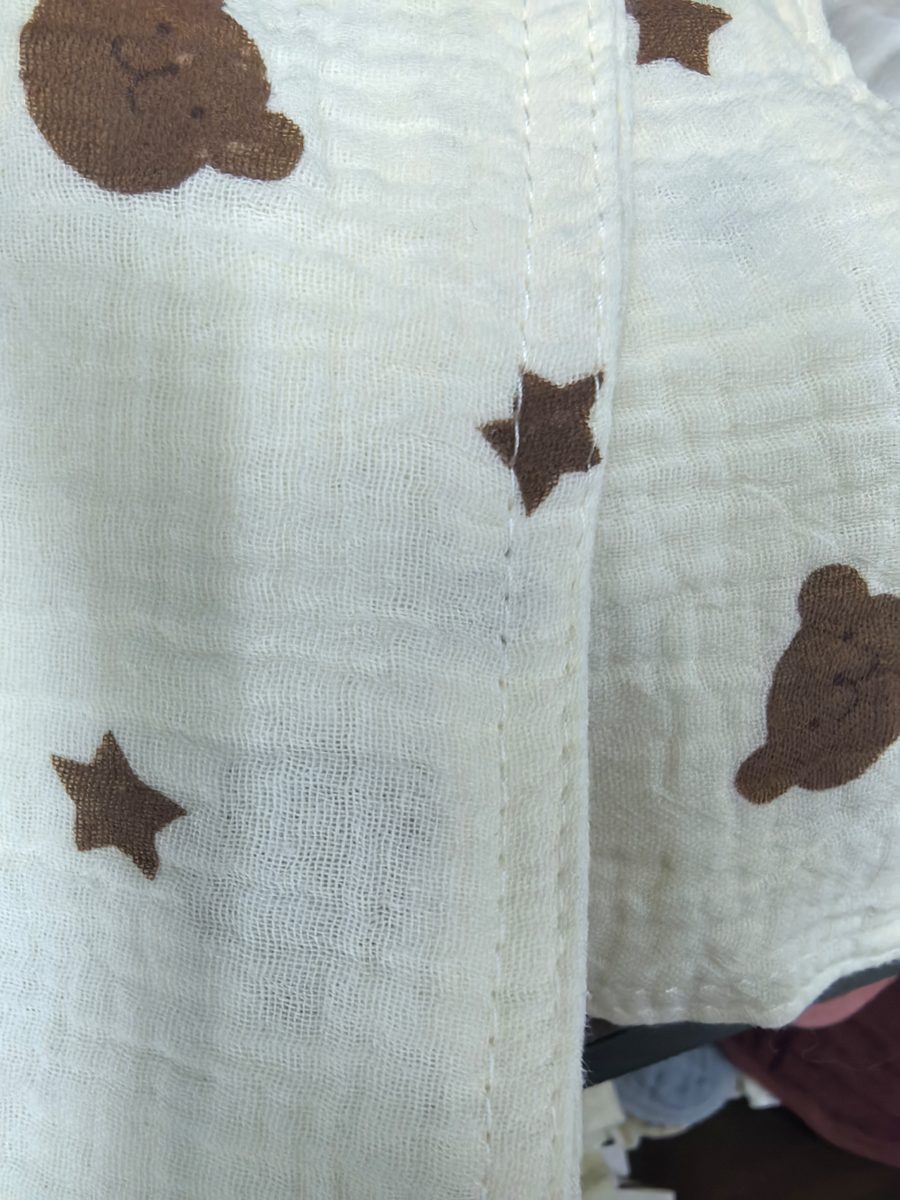
Flat hem with topstitch
A visible stitch line 3–5 mm from the edge. Costs almost nothing extra and makes the product look deliberate rather than unfinished.
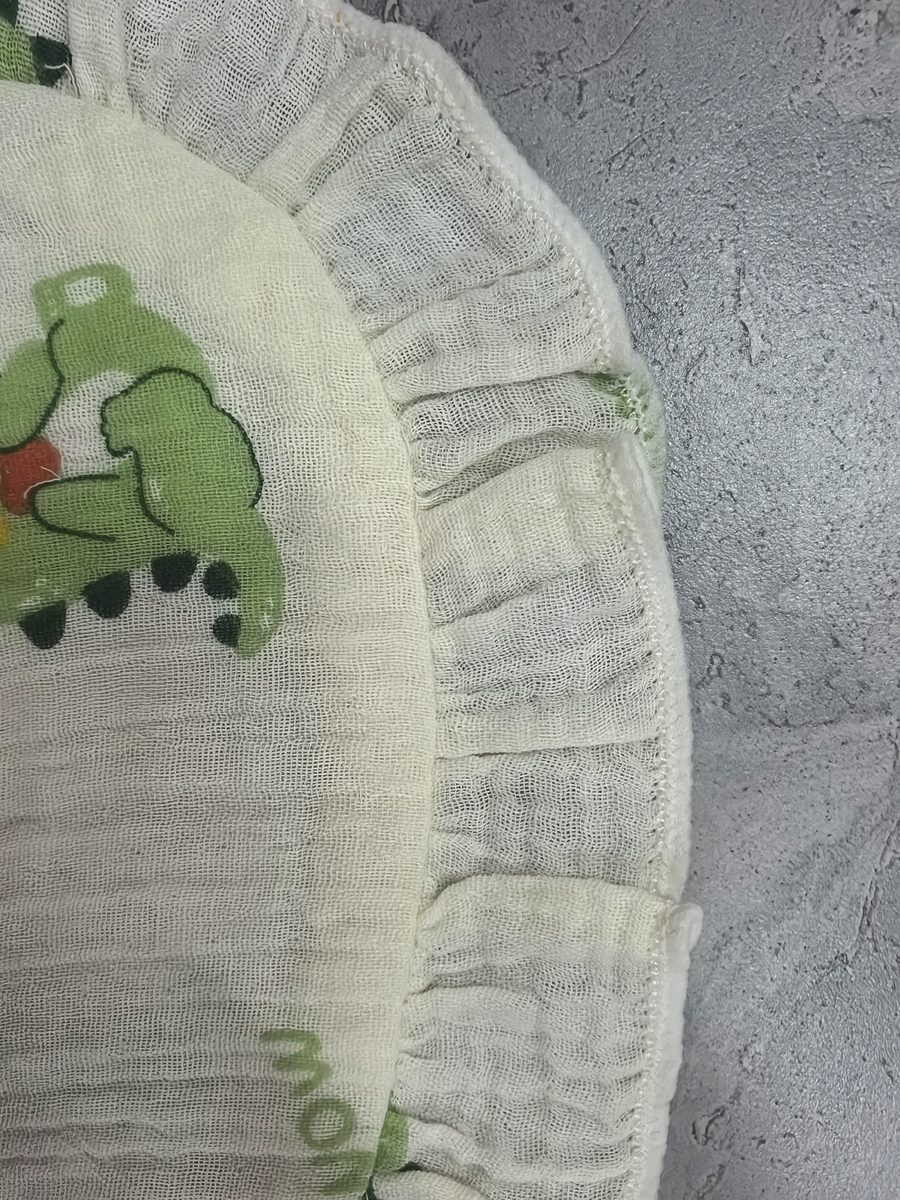
Scalloped ruffle
A gathered ruffle sewn on as a separate piece. Labour-intensive — expect it to move the unit price, and to add a few days if the ruffle is a new development.
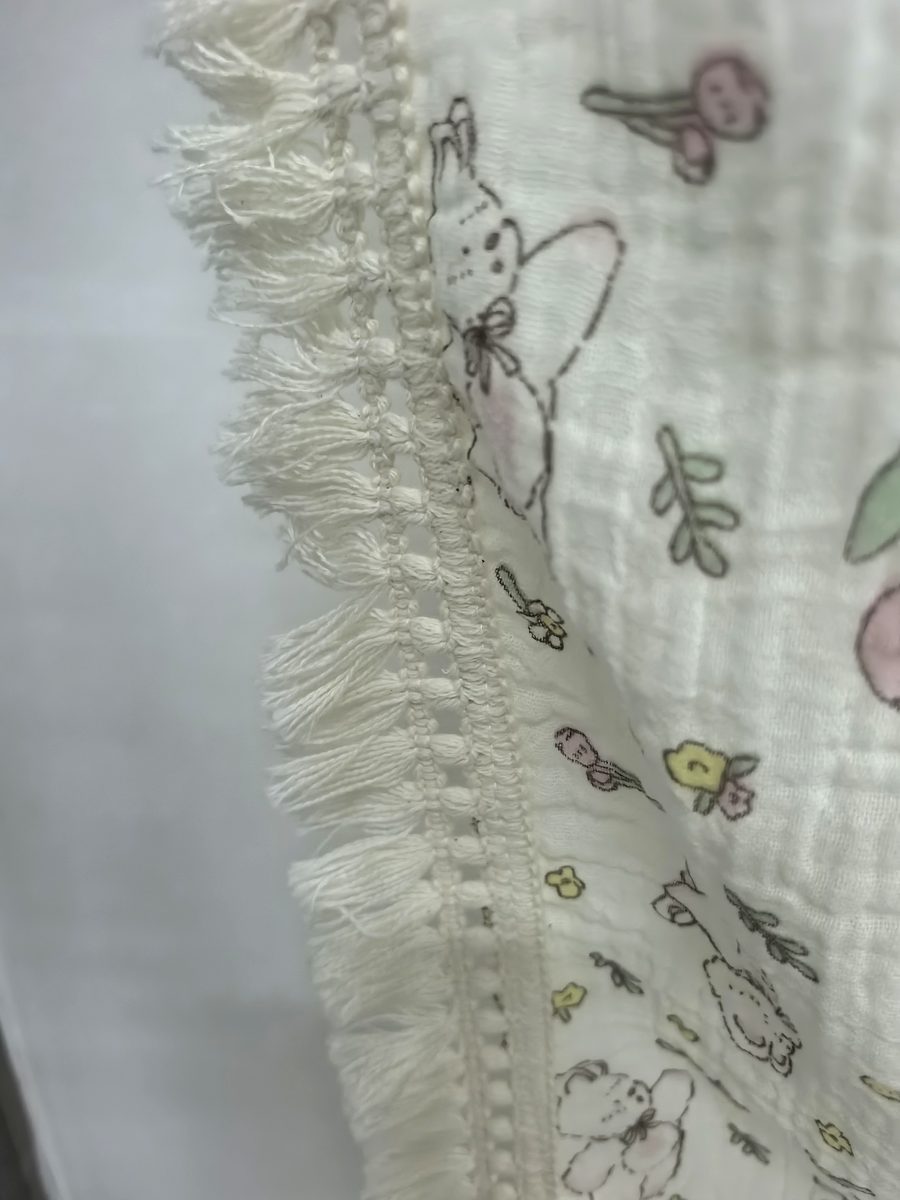
Fringed edge
Cut fringe, on trend for photo blankets and decor pieces. Fringe length and density are both specified by you.
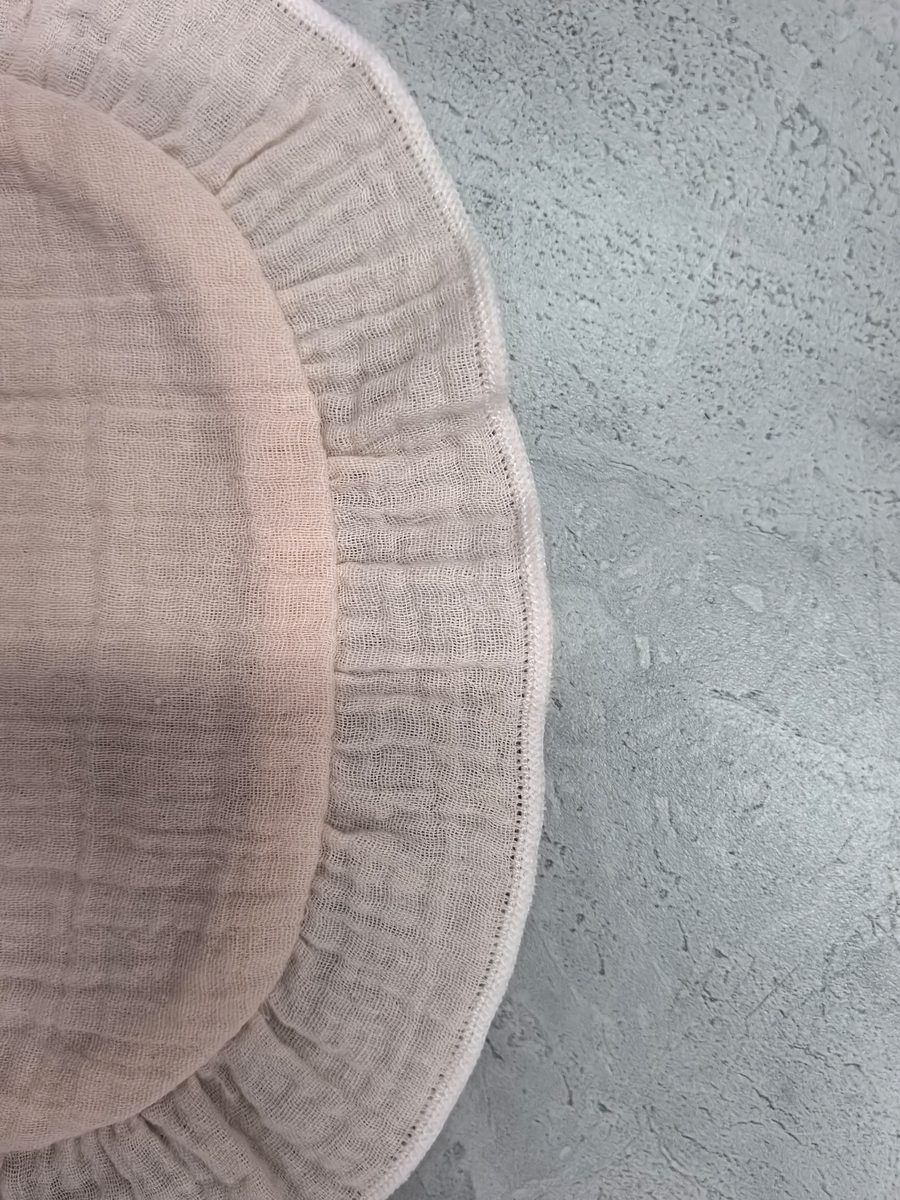
Elastic-thread overlock
High-elastic thread gives a lettuce edge that stretches with the fabric instead of snapping when a baby pulls it.
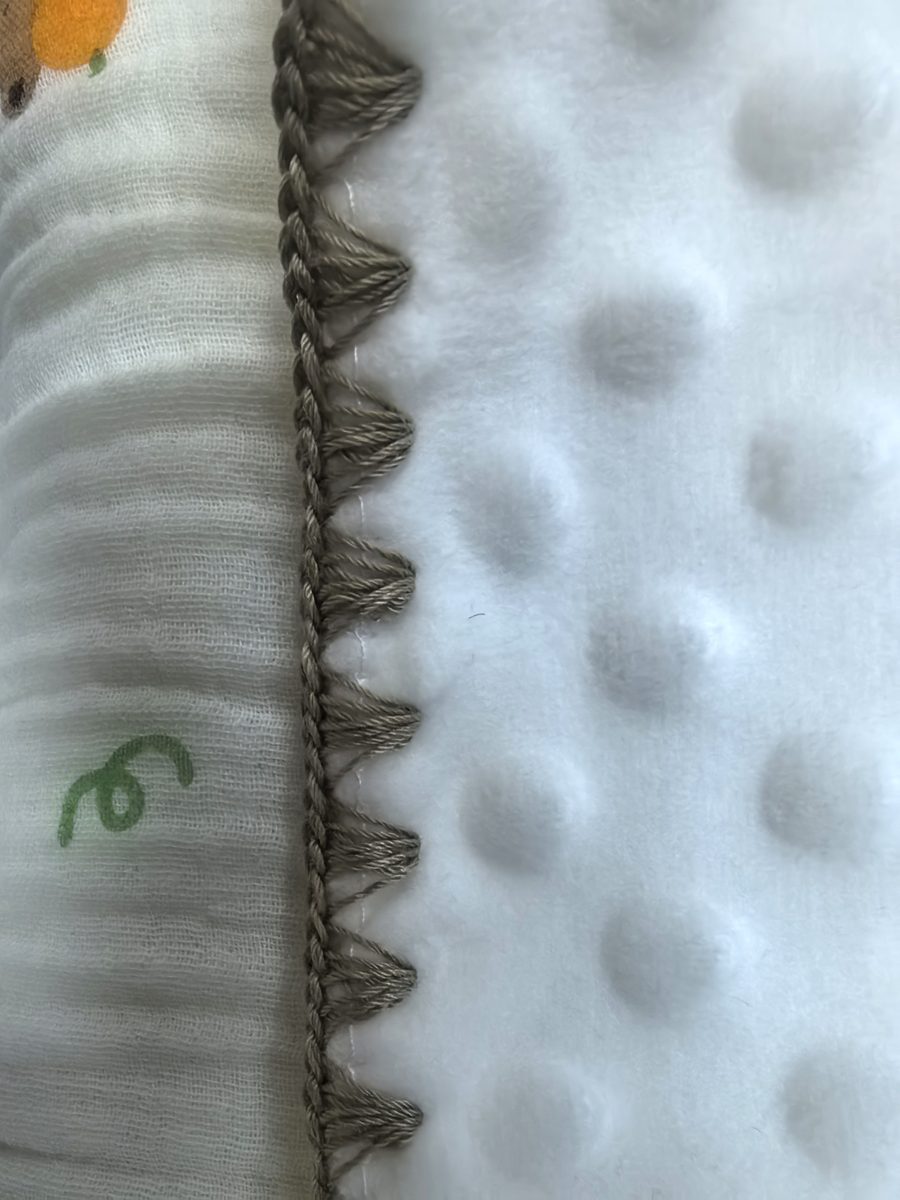
Crochet-look edge
Decorative edge on a knit backing. It also does a practical job: it encloses the cut edge of minky, which otherwise sheds.
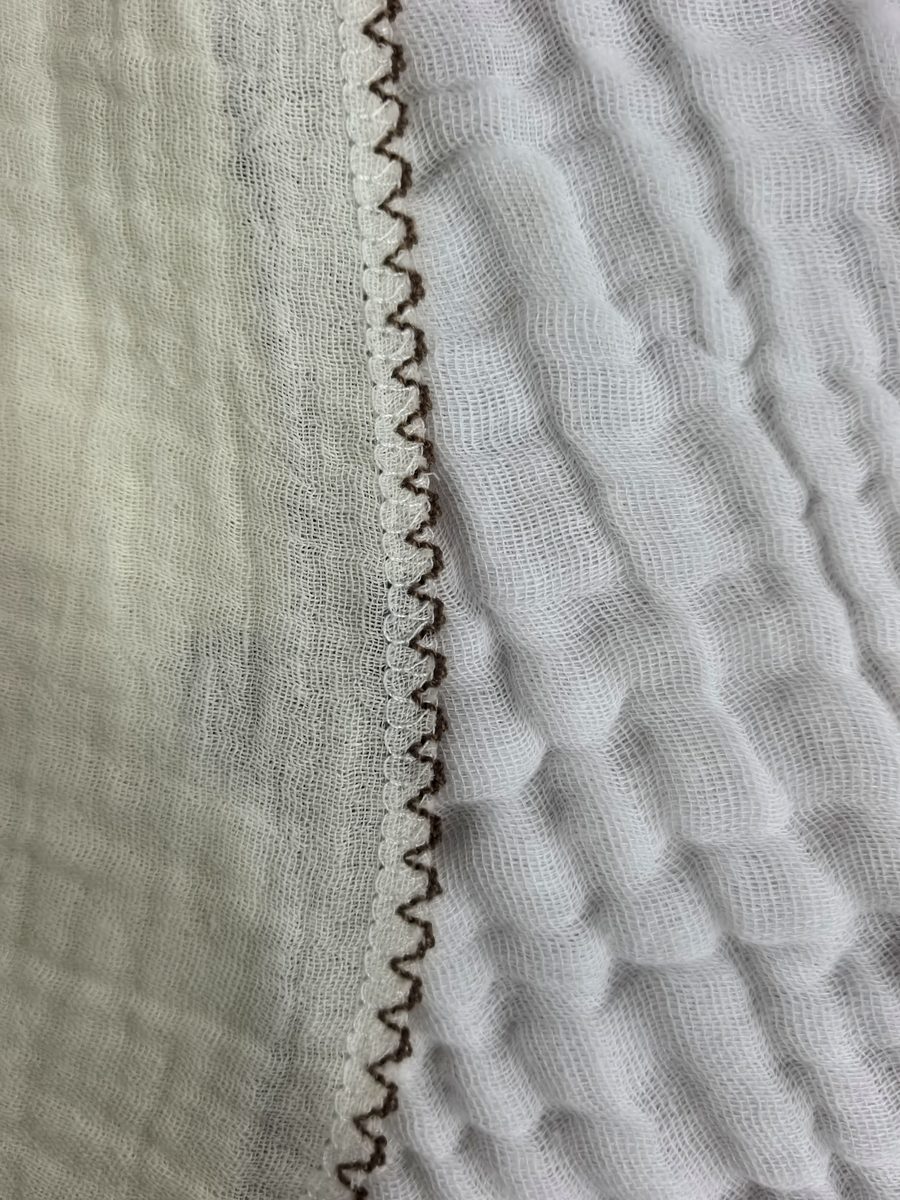
Zig-zag join
Used where muslin meets quilted wadding. The zig-zag lets the seam stretch with the quilt instead of puckering after the first wash.
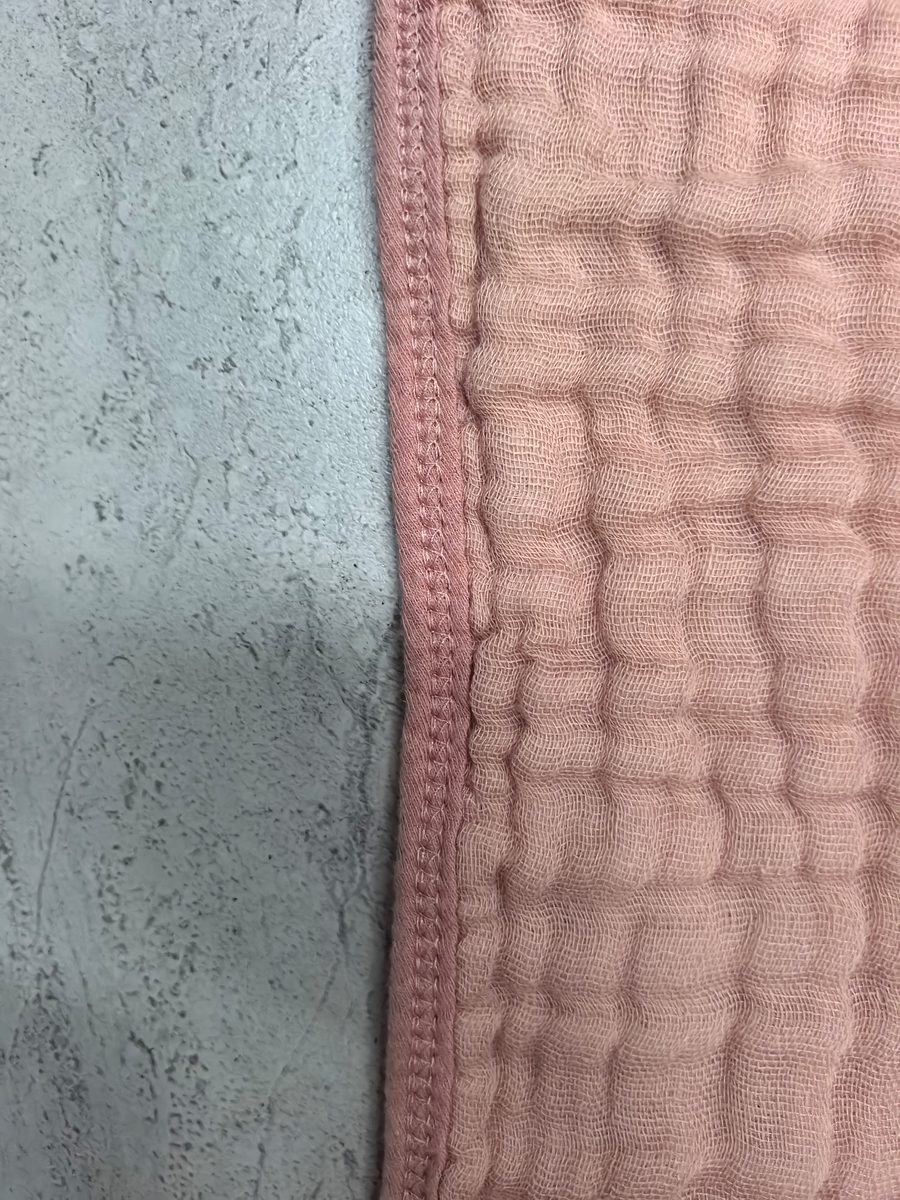
Four-thread overlock
The fastest and cheapest edge. Perfectly fine on a seam that ends up hidden, and a visible downgrade on one that does not.
Labels & trims
What a compliant care label actually carries
The label is where US importers get caught. CPSIA requires a permanent tracking label on children's products, and 16 CFR 423 sets out care instructions. These are the five label materials we run — and what goes on them.
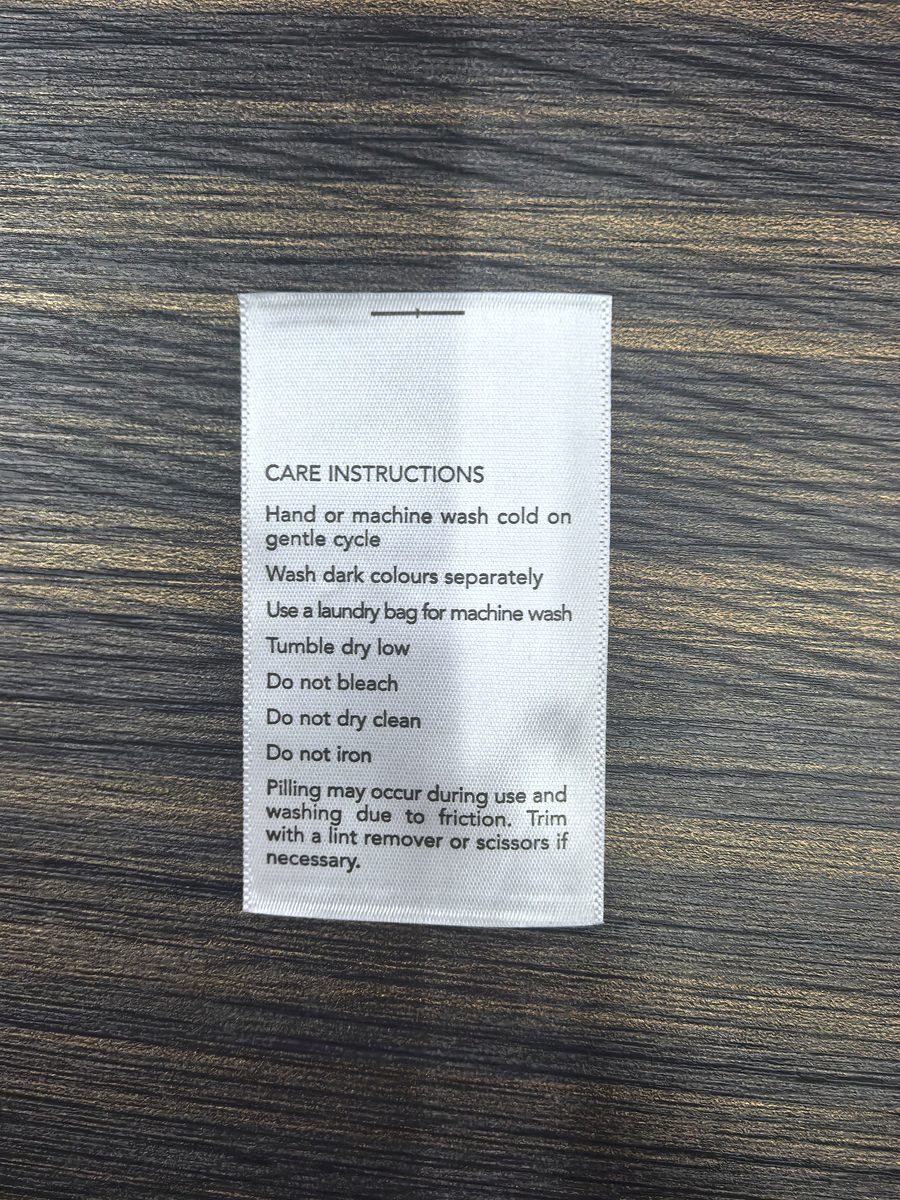
Printed satin, full text
Fibre content, country of origin, manufacturer name and address, care symbols, date of production and batch number — the block that answers an inspector's question without a phone call.
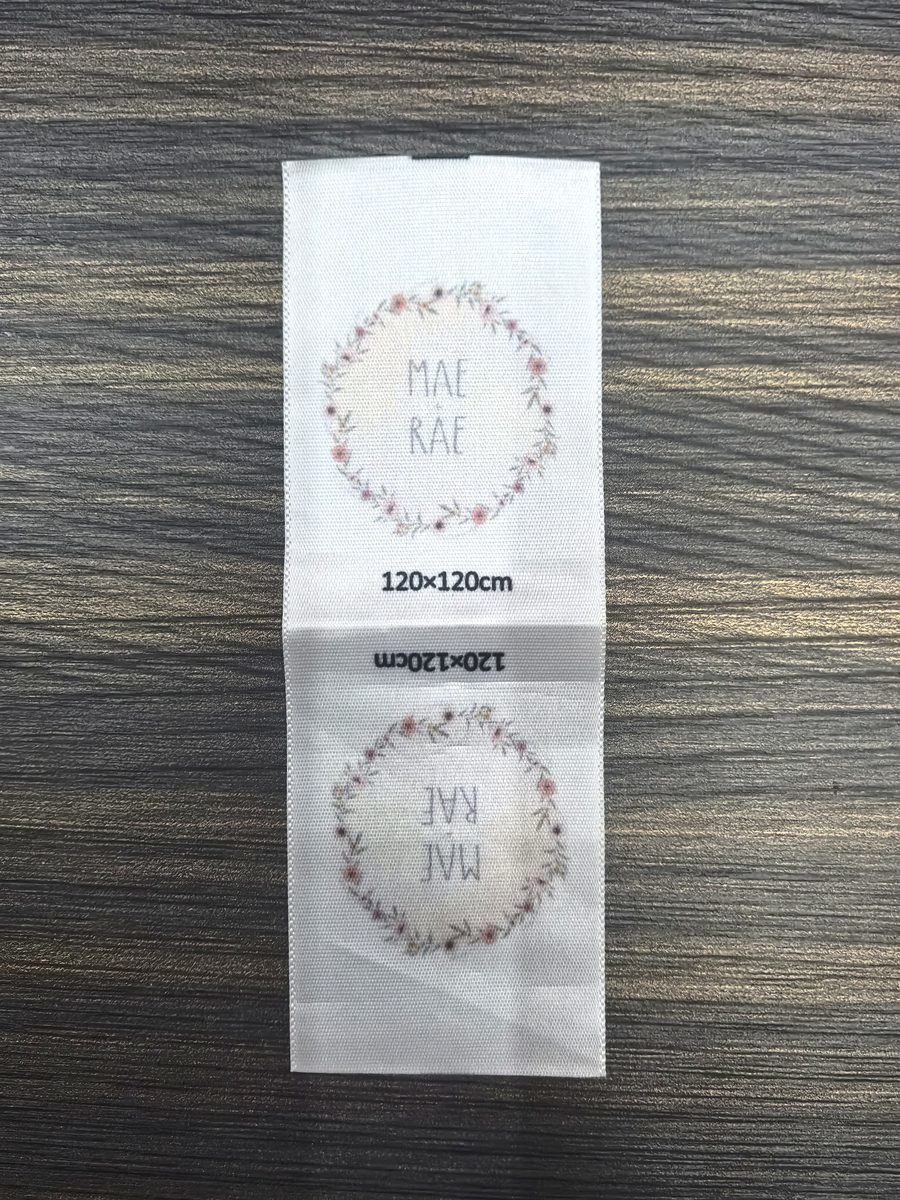
Printed satin
Soft against skin, which is why it dominates baby textiles. It is also the label most likely to fade if the care instructions are wrong.
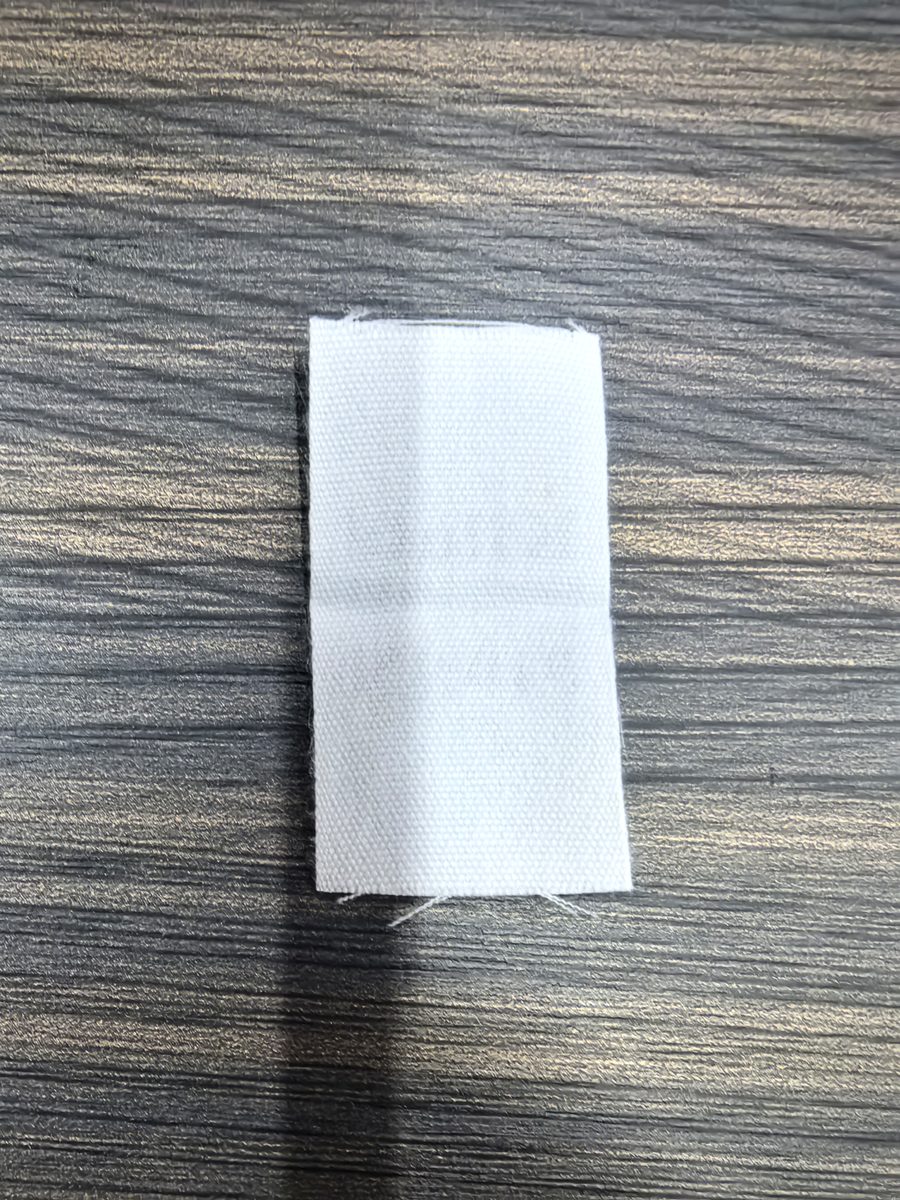
Cotton tape
Takes heat and repeated washing better than satin, at the cost of a slightly stiffer hand. Used where the product is washed hot.
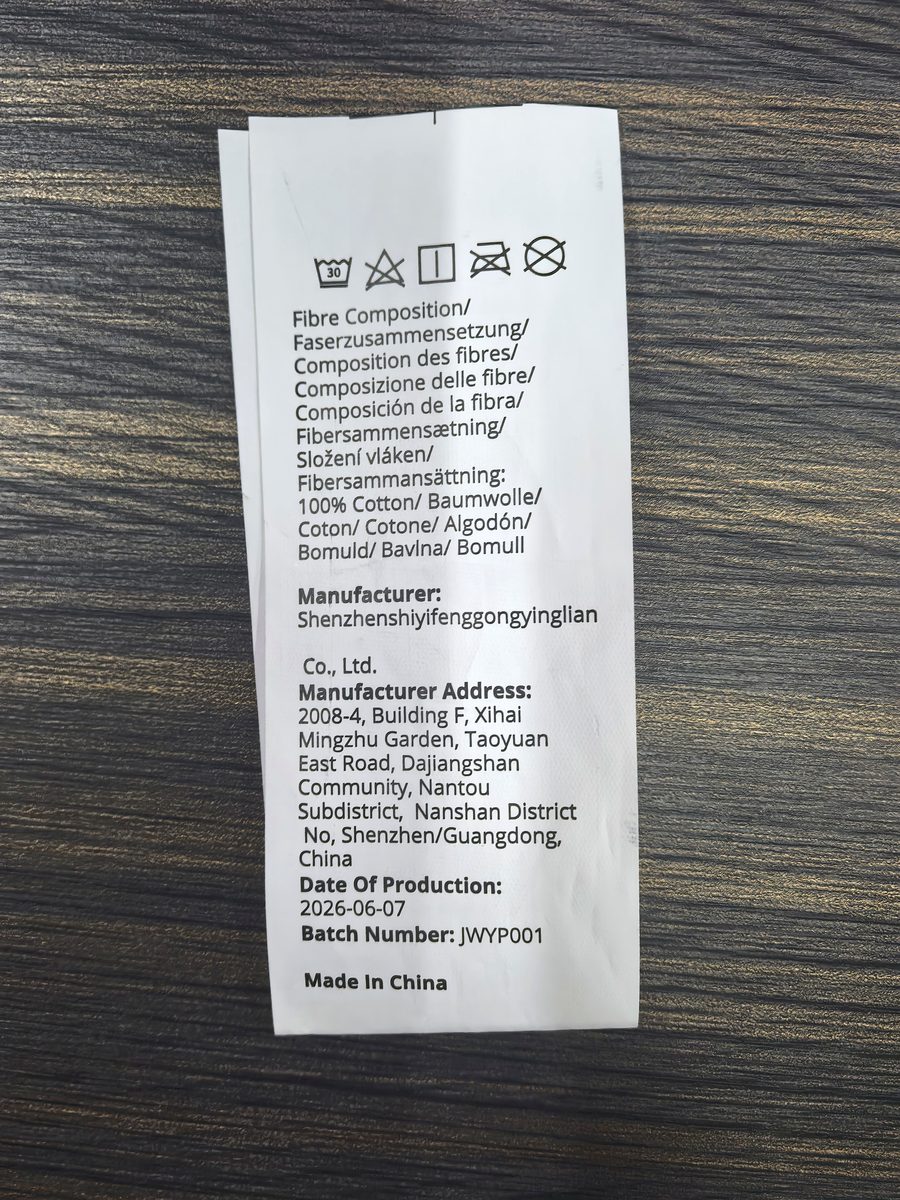
Tear-resistant (non-woven)
Survives industrial laundering and will not fray at the cut edge. The safe choice for institutional or rental channels.
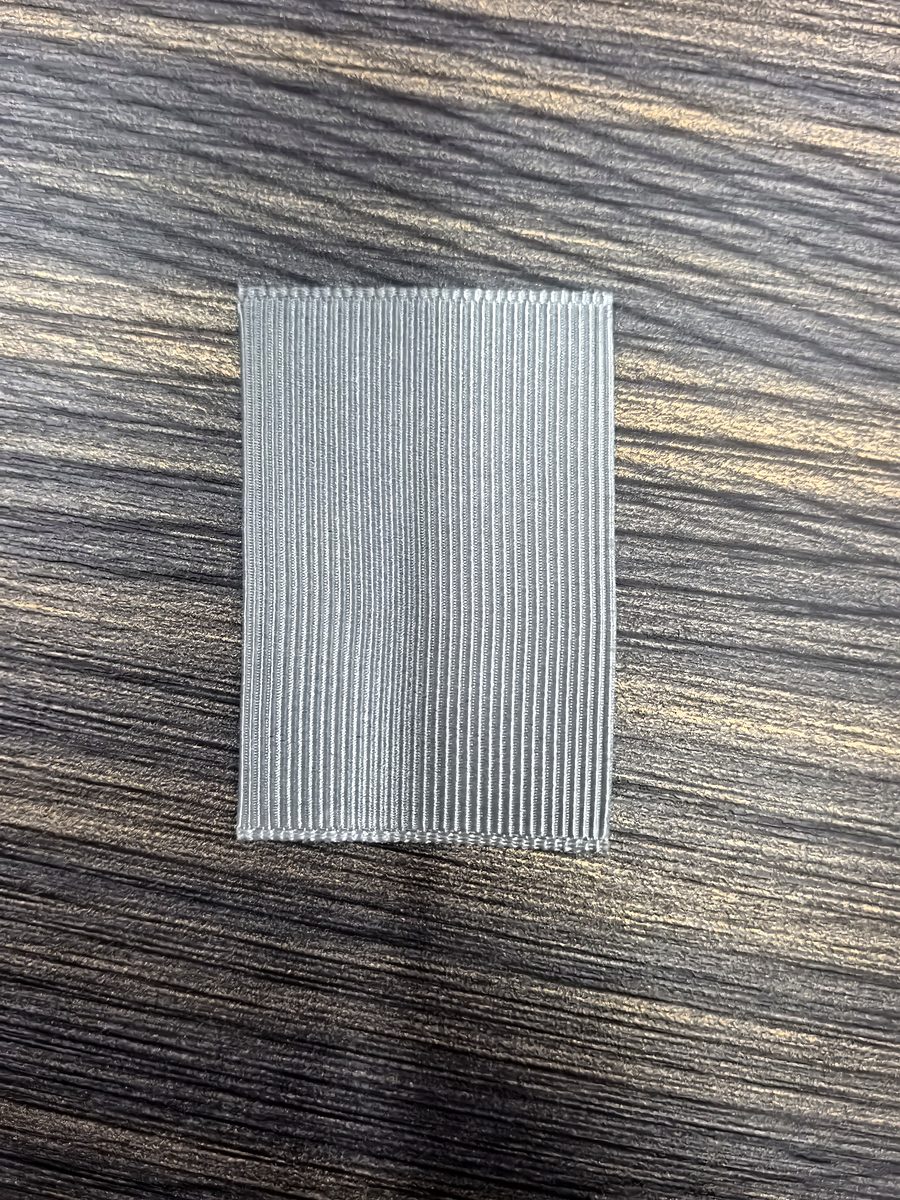
Ribbon / twill tape
Used where the label doubles as the brand tag — one component instead of two, which shows up in your landed cost.
What goes on it
A label that passes an inspection answers six questions. If any one is missing, it is the first thing an auditor or a marketplace compliance team will flag.
- Fibre content, with percentages
- Country of origin
- Manufacturer or importer name and address
- Care instructions and the five care symbols
- Production date and batch / lot code
- Size, and the CPSIA tracking information
Packaging
Packaging that is retail-ready, not just protective
This is where most factories stop and hand you a poly bag. Box, window, belly band and multi-pack insert are produced to your artwork, so the first shipment can go straight to a shelf or an FBA warehouse.
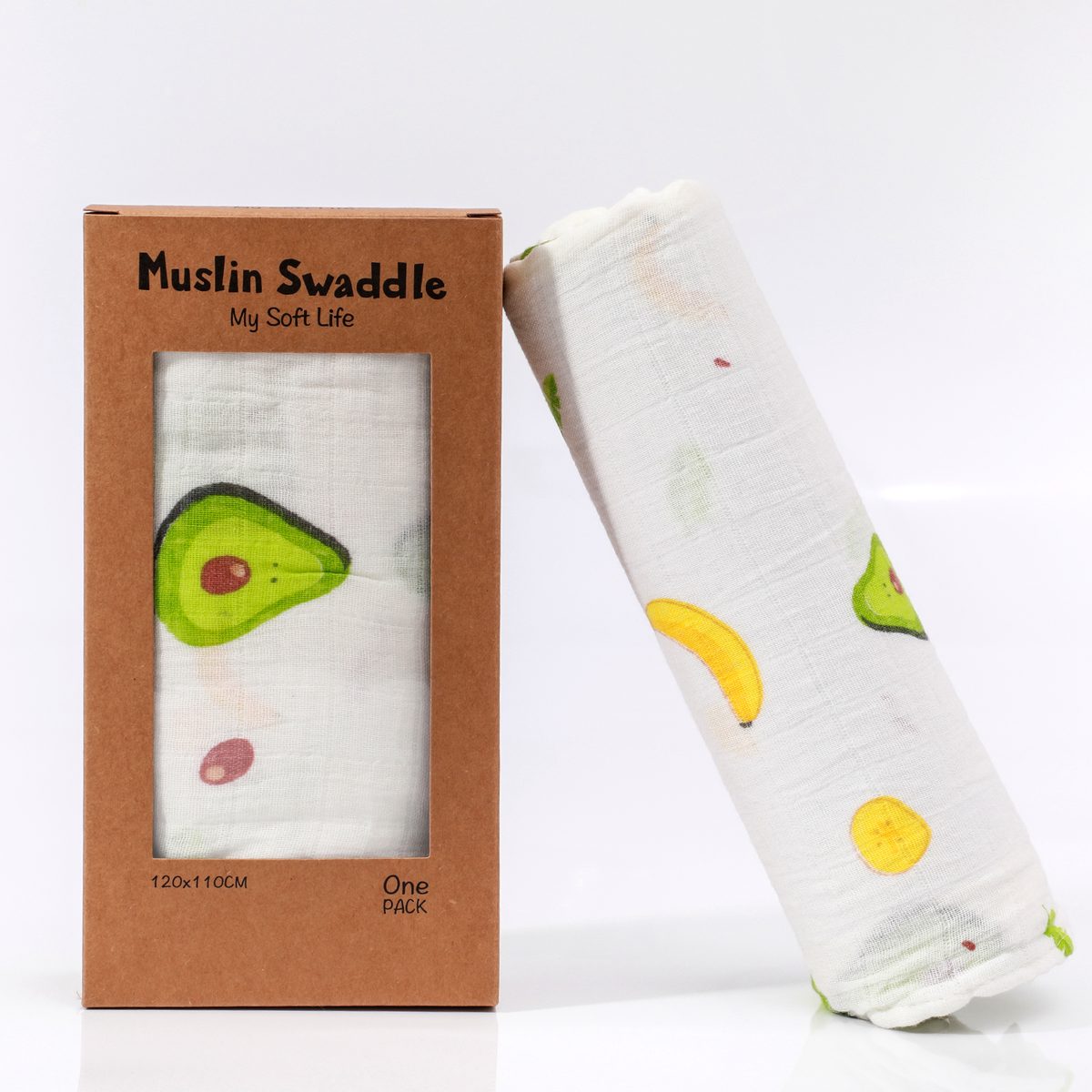
Kraft window box
Single swaddle, 120×110 cm, die-cut window. The window is the cheapest way to let a printed product sell itself — and it removes the need for a printed lid.
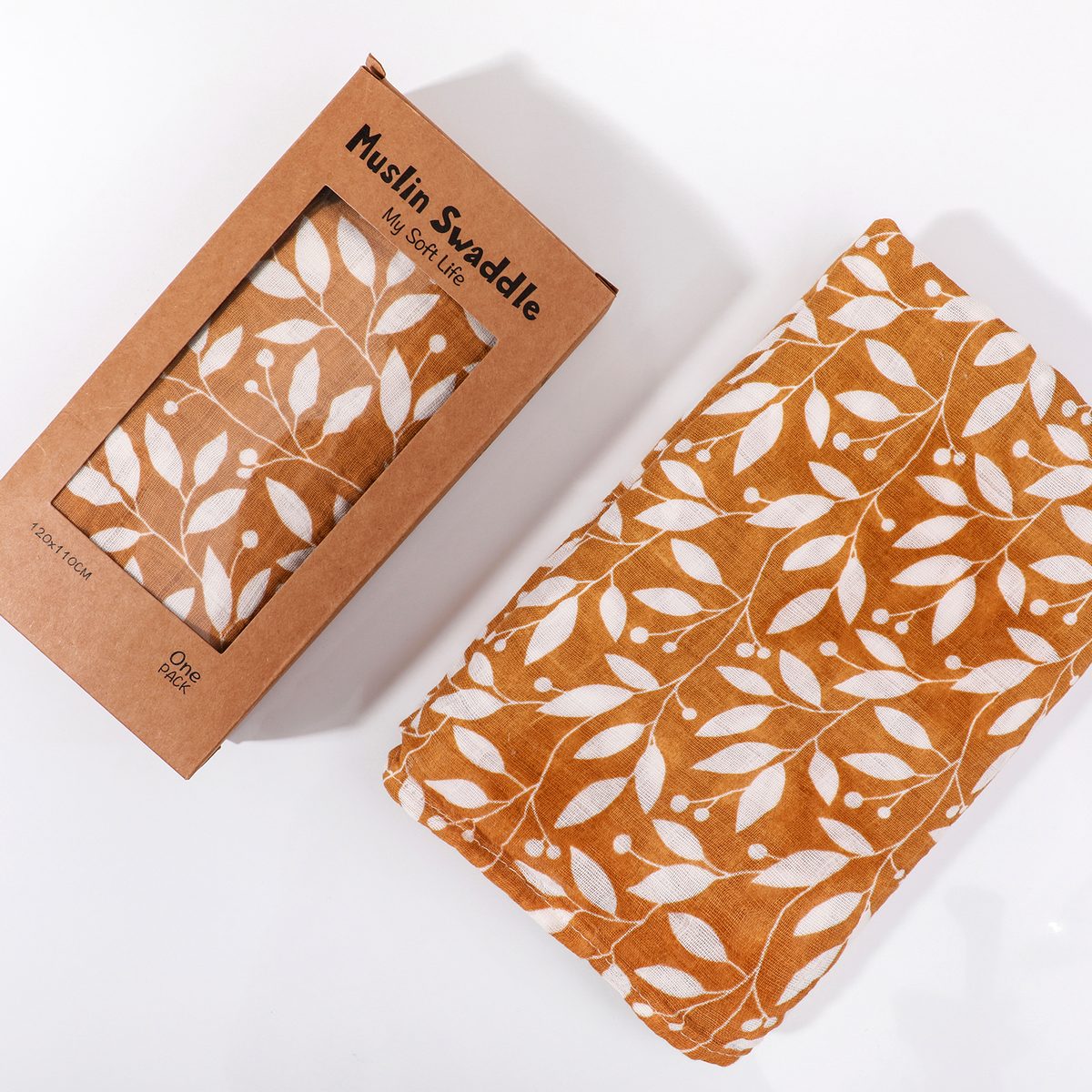
Window box, full-bleed print
The same construction with the print carried across the whole face. More ink, more presence, still one-piece assembly.
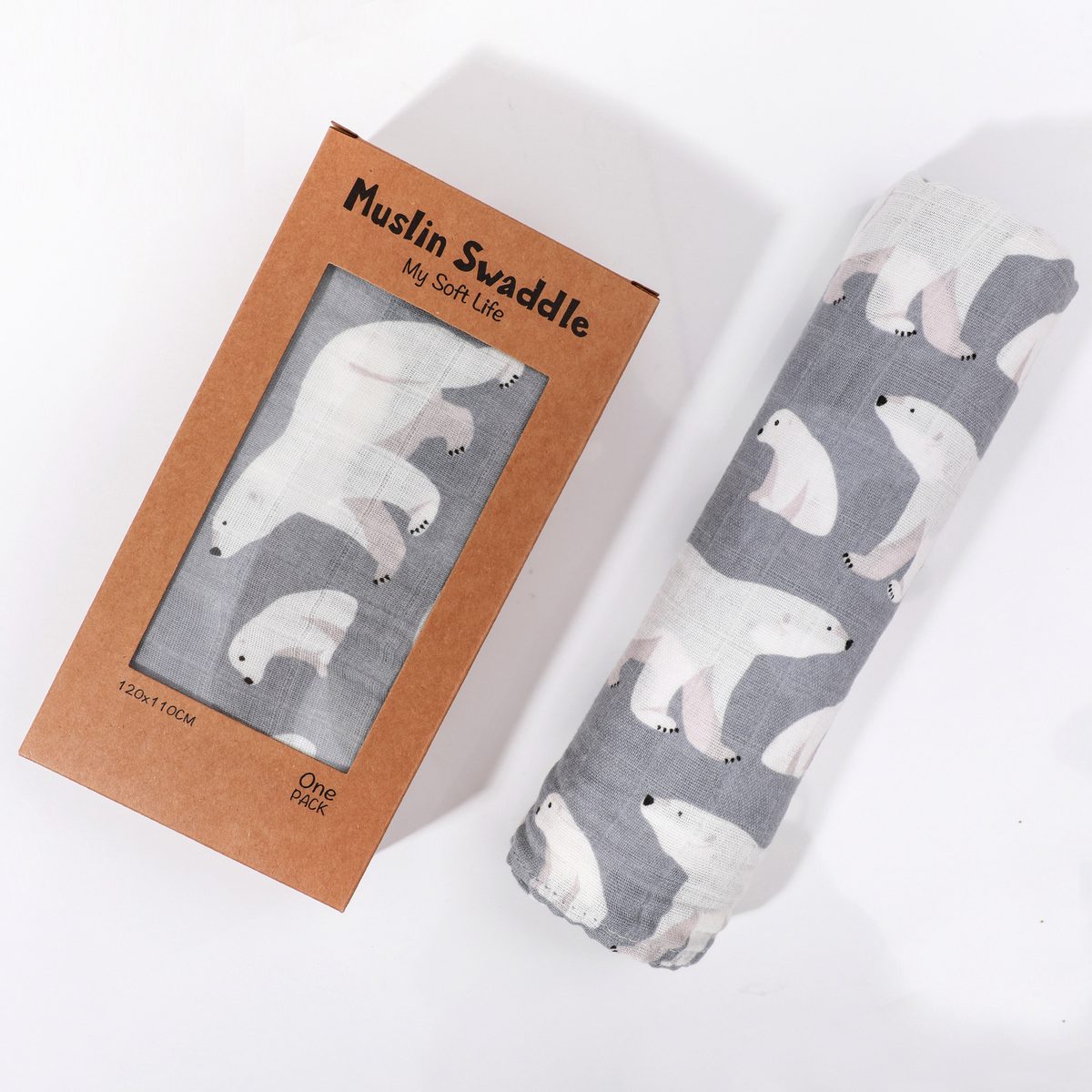
Window box, neutral palette
Neutral ground so the print reads from a distance. Worth testing against the full-bleed version on the same listing.
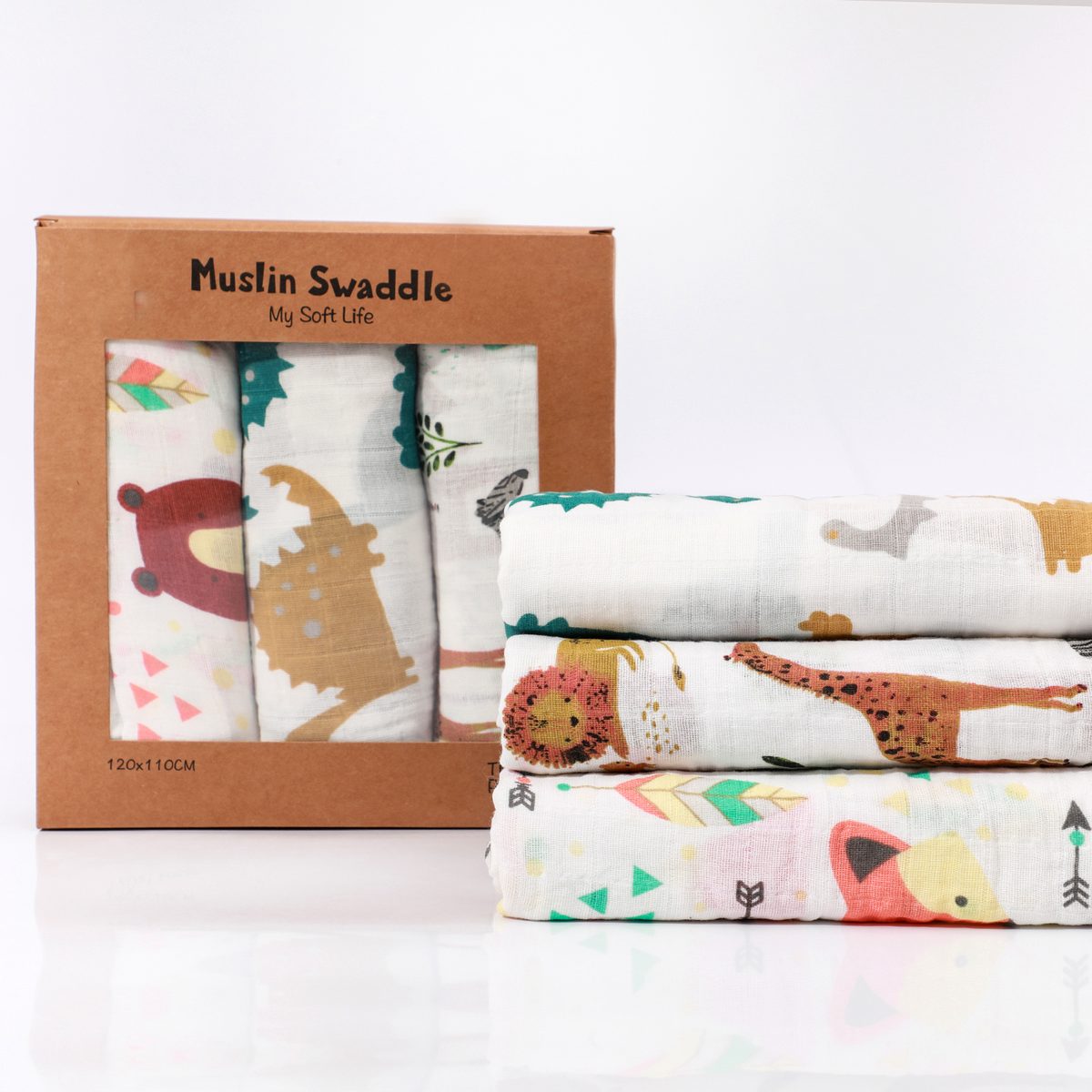
Four-pack gift box
Multi-packs raise average order value and cut packaging cost per unit. The insert has to be tooled for the fold, so this is a development item, not a stock box.
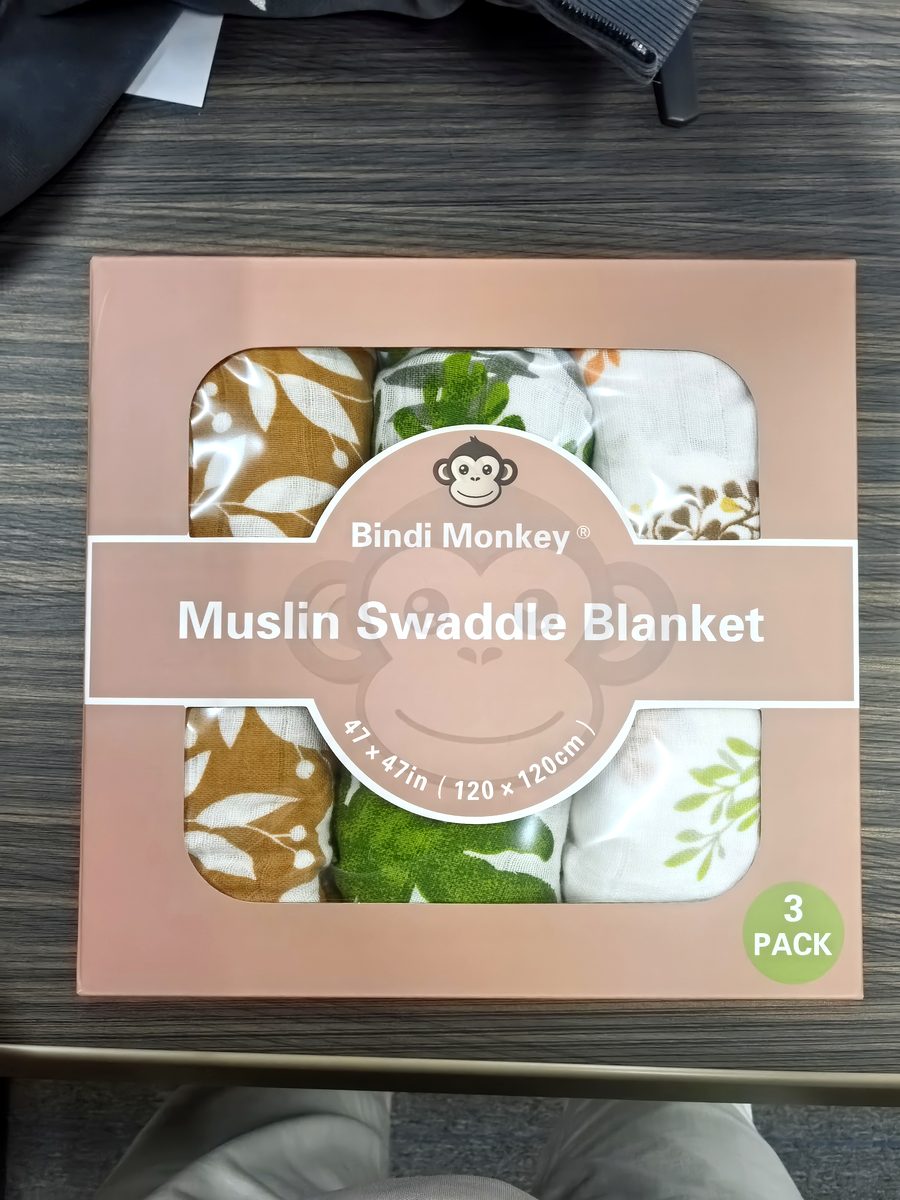
Three-pack window box
The size that fits most gift and registry channels. Specify whether the three pieces are one print or an assortment.
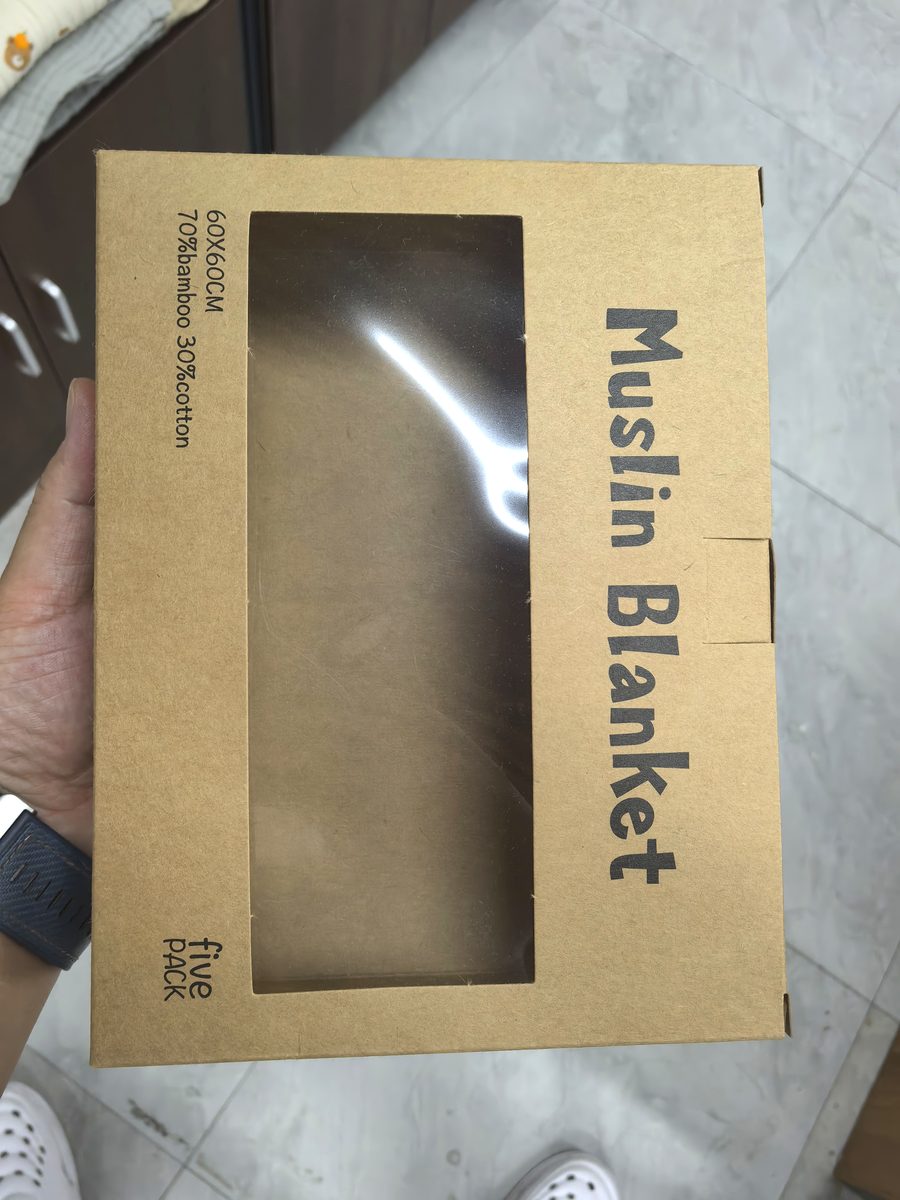
Five-pack kraft box
Larger format with a full-height window. Freight cost per unit drops as the pack count rises — worth modelling before you fix your pack size.
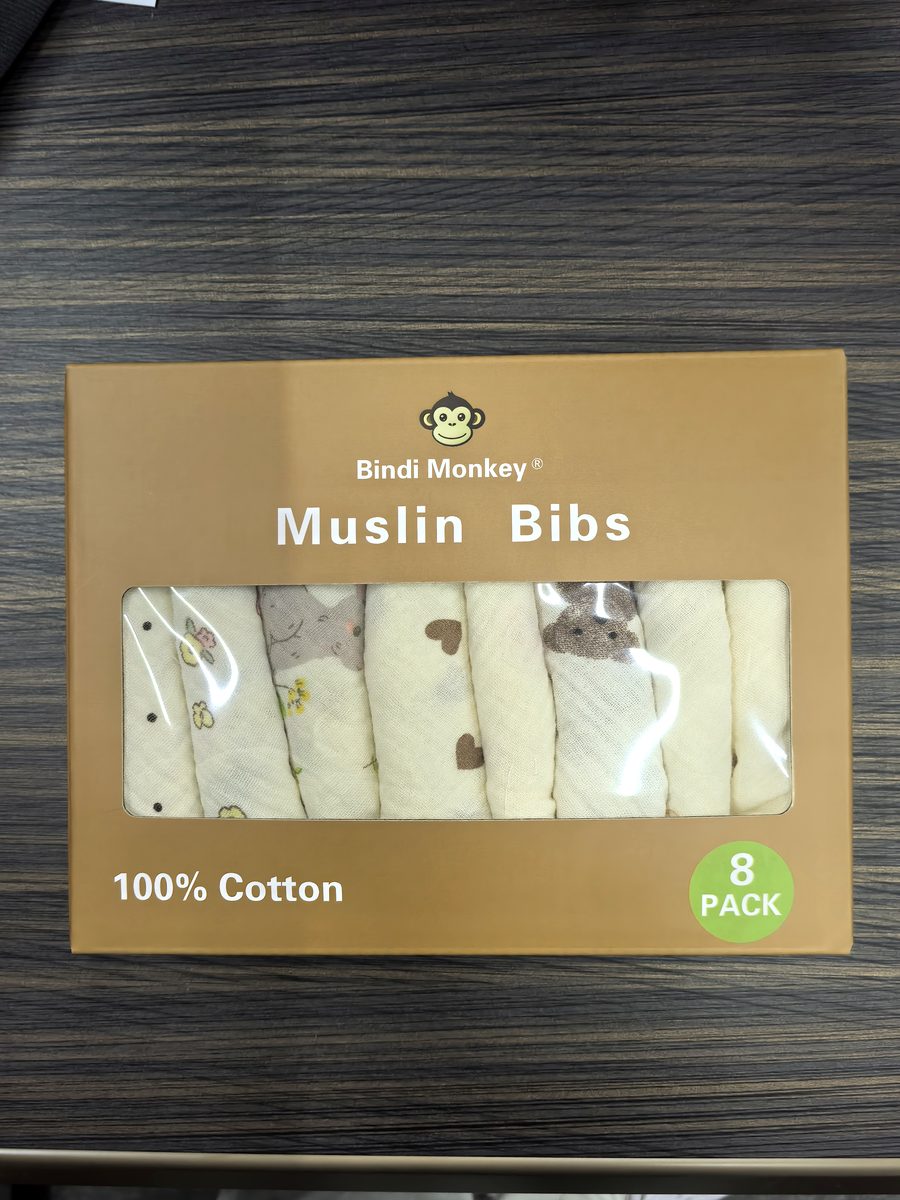
Eight-pack bib box
Bibs sell in multipacks on Amazon, and the box becomes the listing image. Printed sleeve over a plain box keeps tooling cost down.
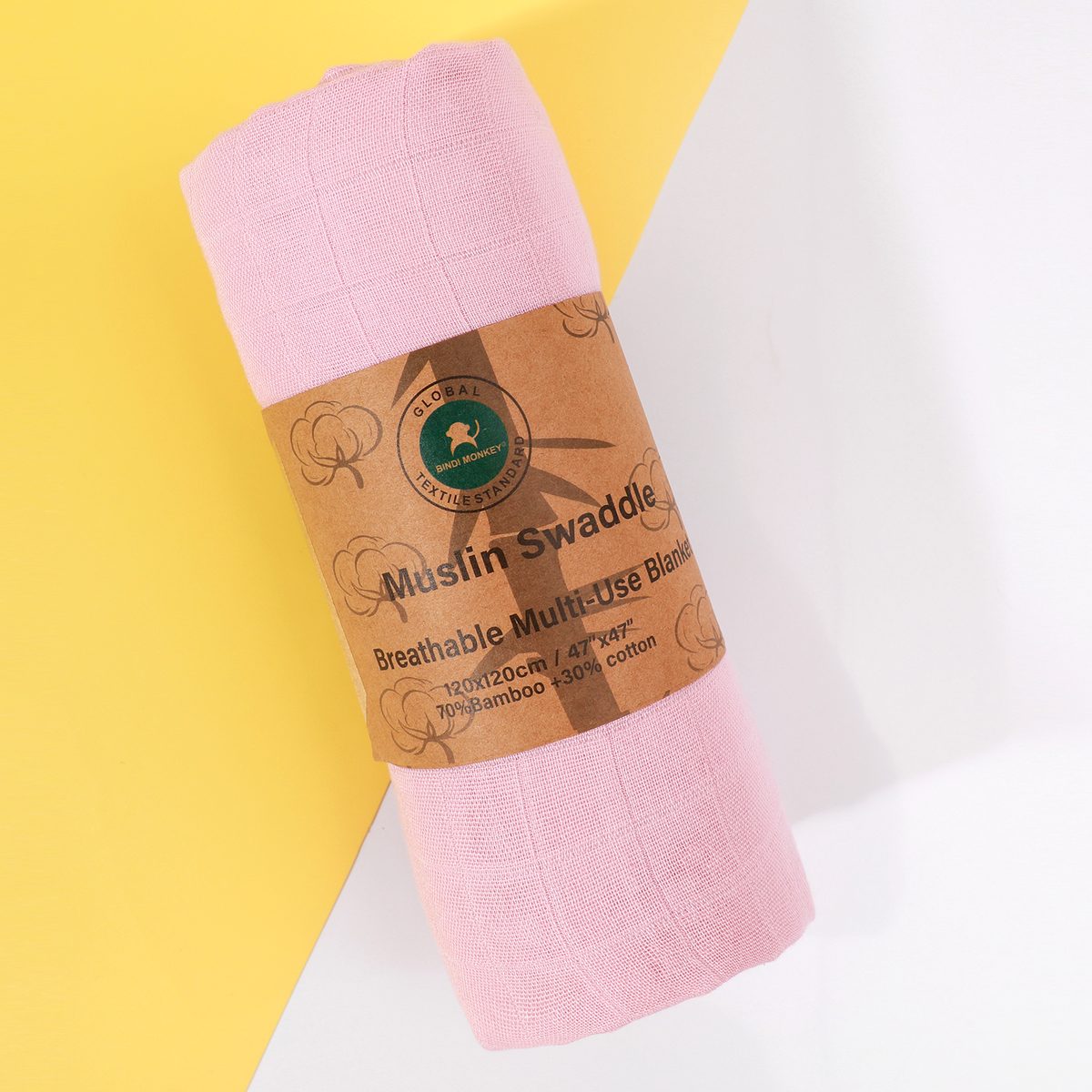
Belly band on rolled swaddle
The lowest packaging cost per unit that still carries brand, size and barcode. If you are testing a print, start here and upgrade once it sells.
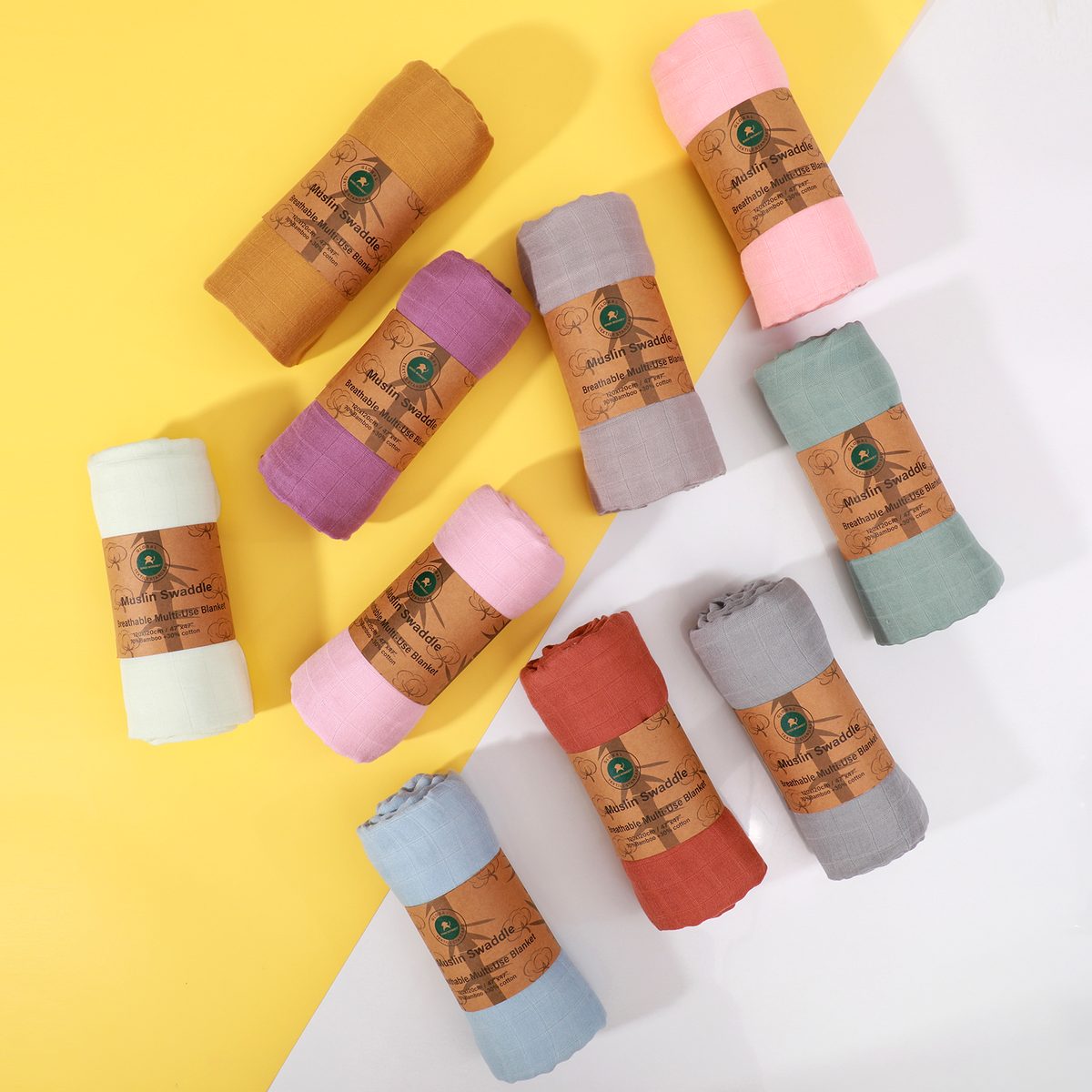
One band, many colourways
A single band print run across a colour range keeps packaging cost flat while the SKU count grows. This is how a small brand launches six colours without six boxes.
Send the artwork, get an honest answer
If you have a design file and a target retail price, send both. We will tell you which print route fits the budget, which edge finish survives your wash test, and what the packaging will cost at your quantity — including the parts that do not work.